
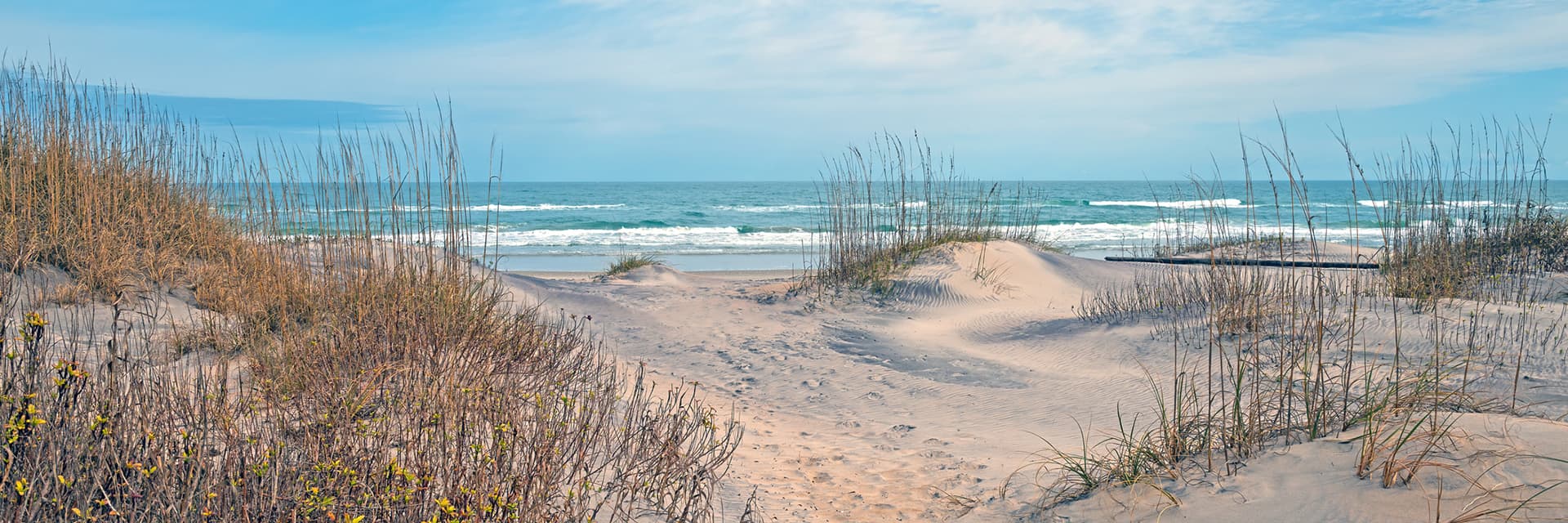
Visiting the Outer Banks in North Carolina is an unforgettable experience, especially if you encounter the iconic Corolla wild horses. These majestic creatures, believed to have arrived in the early 16th century on Spanish sailing vessels, are a living testament to the area's rich history.
Witnessing the wild horses of the Outer Banks is a must-do adventure to connect with the area's unique wildlife and history, so book your stay with First Flight Rentals and read on to learn more.
What to Know Before You Go
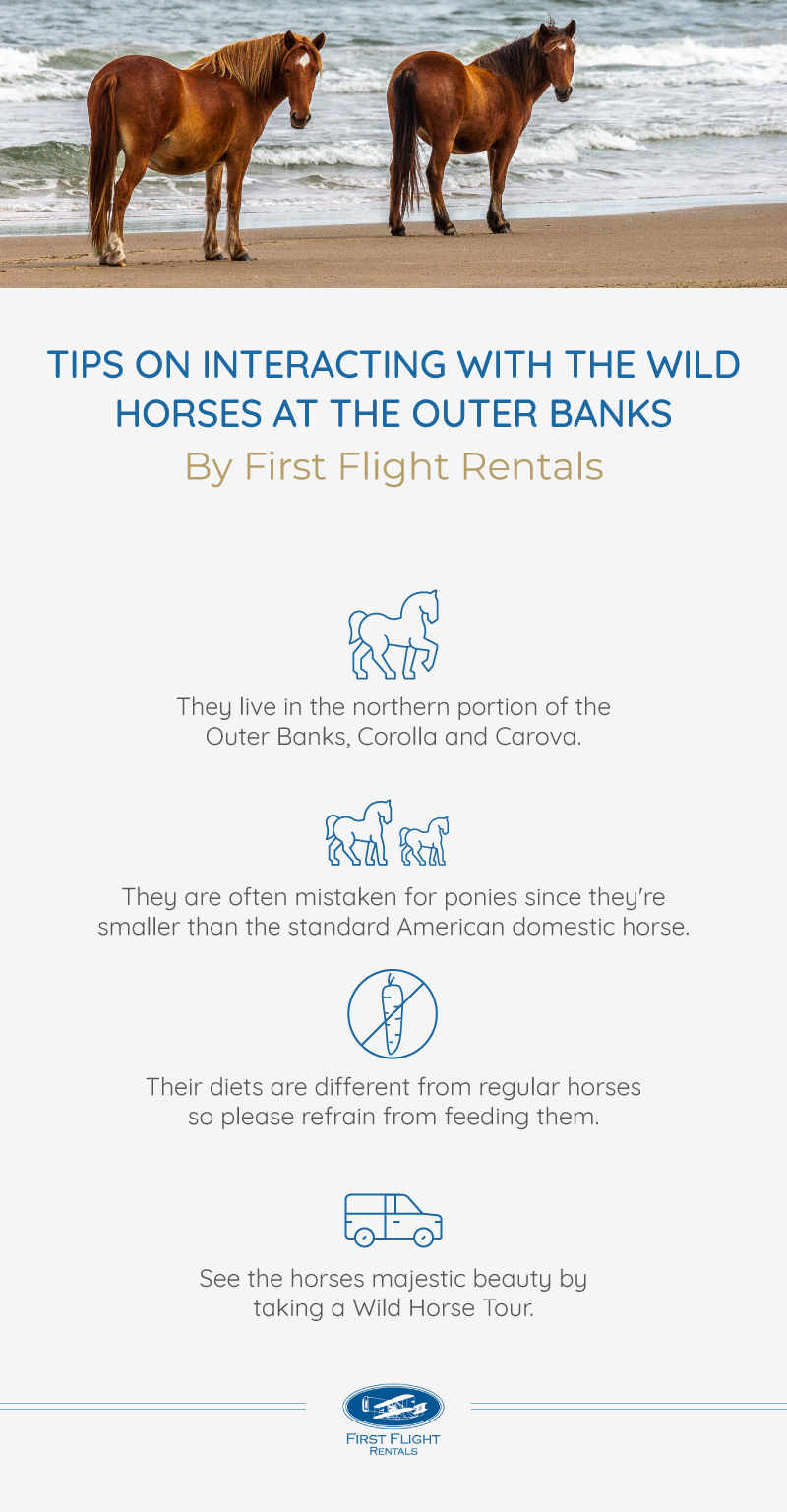
The wild horses primarily roam the northern parts of the Outer Banks, including Corolla and Carova Beach, but they can also be found as far south as Ocracoke Island and Shackleford Banks. When planning your trip, remember that the feral horses are protected, and it's illegal to approach them closer than 50 feet or feed them.
While you can capture photos of these stunning creatures from a safe distance, it's crucial to respect their space and preserve their natural environment.
A History Of Outer Banks Wild Horses
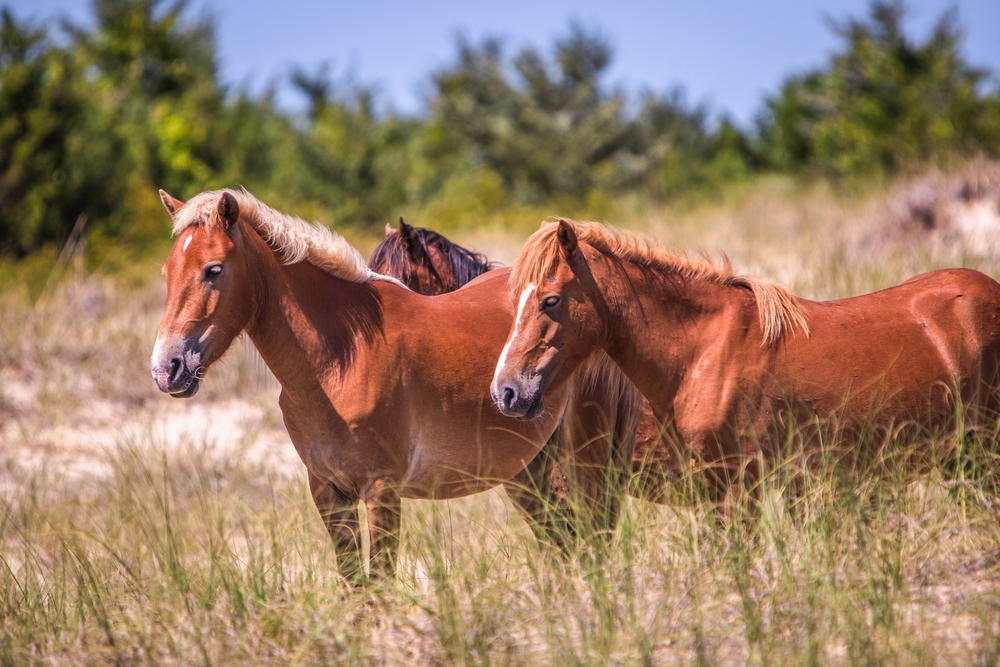
Photo Credit: Wick Smith
With the rise of technology and scientific advances, scientists and researchers have determined that the wild horses on the Outer Banks probably arrived on Spanish sailing ships in the 1520s. They are believed to have come over in stages over the course of several expeditions. The first herd may have arrived on an expedition captained by Spanish explorer Lucas Vasquez de Allyon.
Another popular belief is that the horses arrived by themselves on the island in the aftermath of a shipwreck. During a Spanish expedition, one of their boats began to sink. In an attempt to save the crew and supplies, they rid the boat of extra heavy goods. Yep, you guessed it, the horses! Those horses made it to the mainland, where they established their own herd of wild horses whose ancestors still roam the beaches of Corolla to this day.
While it can be hard to ascertain how exactly the Shackleford Banks wild horses first arrived to the barrier island, it is widely agreed upon that they’ve called this place home long before we have.
These Wild Colonial Spanish Mustangs were once more widespread along the Outer Banks, with a population size of about 5,000 – 6,000 wild horses reported in the Outer Banks in the mid-1920s. Over the years, the area has become increasingly developed, which has caused the horse population size to decline.
Today, there are about 400 horses, adults and foals, living on the northern part of the Outer Banks, all under the protection of the National Park Service. The herd size fluctuates slightly from year to year, but the population size has overall remained fairly steady and predictable in recent years. The population size of the colonial Spanish horses is tracked by a helicopter count, which takes place once each year.
Where to Spot OBX Horses in the Wild
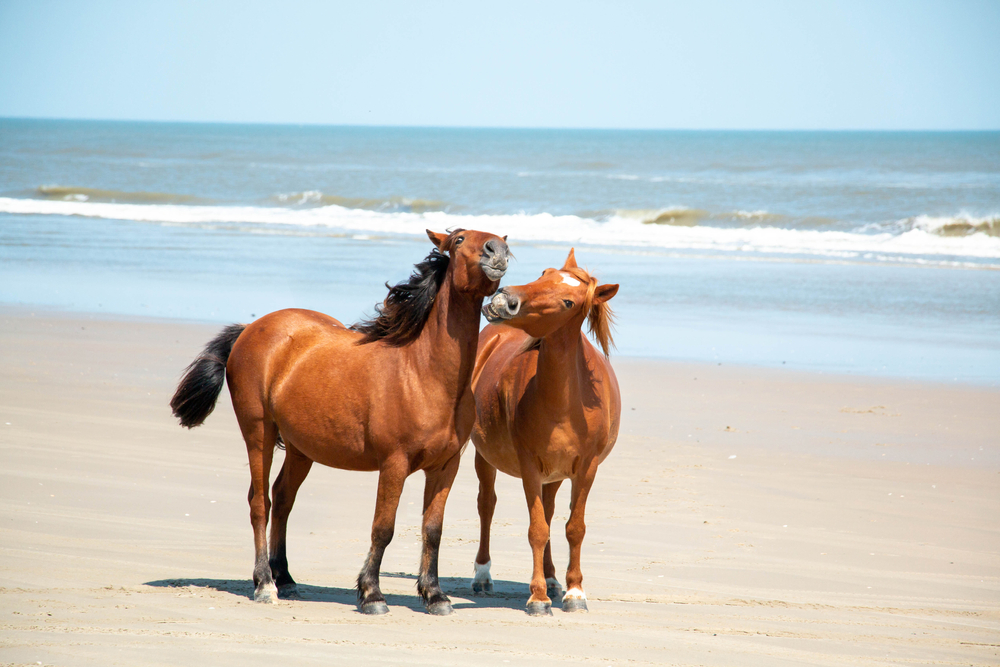
Photo Credit: Michelle Yvonne Ouellette
The wild horses live primarily in the northern portion of the Outer Banks, which includes Corolla and Carova Beach. Several horses roam the northern portion of Currituck Beach, which is a rural area with little development. Within this heavily wooded area, the horses can roam freely, and it’s not uncommon for them to travel a distance of up to 25 miles in a day.
Observing the wild horses, you'll notice they often travel in familiar areas and stick with their herd due to their territorial nature. They typically stay close to where they were born. Blood-related horses usually remain together, though a dominant male may branch off to form his own smaller group with mares, known as a "harem."
Since the horses live in a remote, rugged area with a lack of paved roads, visitors need to have a vehicle suitable for off-road driving to see them, which means you’ll need a 4WD car. Don’t worry, if you don’t have personal access to a car with this capability, we’ve outlined plenty of great tour companies you can choose from to plan the perfect outing to view these amazing horses.
How Are Corolla Wild Horses Different
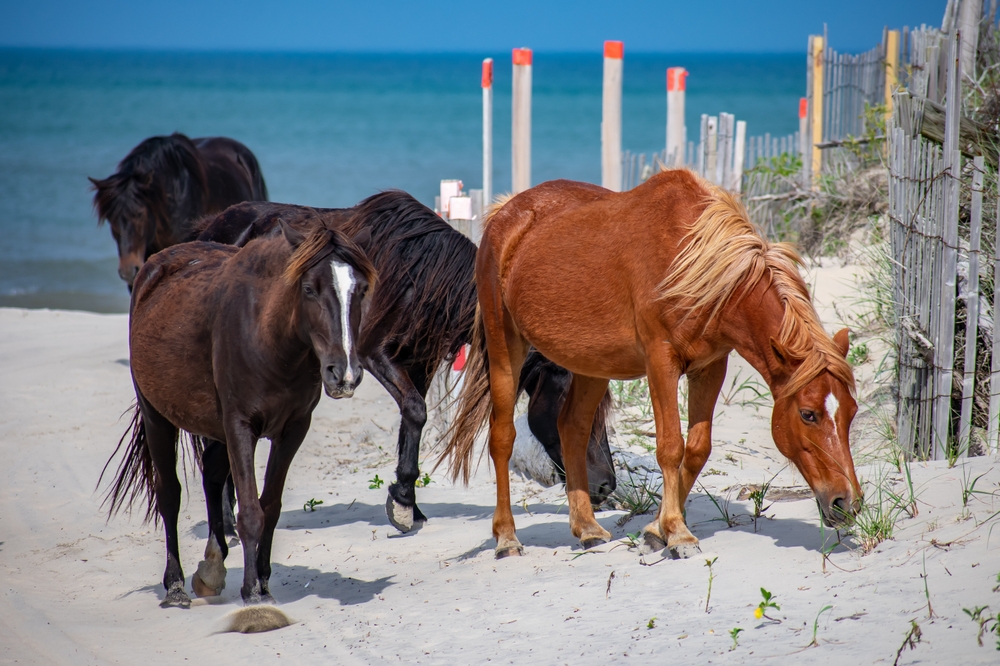
Photo Credit: Jeffery Scott Yount
Aside from their shaggier coats and manes, which distinguish them as wild horses, there are actually biological and physical differences between the wild horses on Corolla and the standard American domestic horse.
Corolla horses bear many physical similarities to wild Spanish mustangs. Like their Spanish cousins, the horses on Corolla are shorter. They have five lumbar vertebrae instead of six vertebrae, which is the spinal cord length of modern horses. Due to their small size, many people actually confuse these horses with ponies.
Another distinction lies in the tail. The tails of the wild horses are set much lower than the tails of most domestic species. Their heads are long and narrow in shape, and their ears have pointed tips.
Despite their relatively small stature, the Corolla horses have a narrower body shape than most modern domestic breeds. They have a springy and energetic gait and are known for being intelligent and athletic horses.
Visitors may not realize that the wild horses on Corolla differ from the wild ponies on Chincoteague and Assateague. While both are feral breeds, Corolla horses stand between 12 and 14 hands tall and have remained predominantly purebred, preserving their Spanish bloodline. In contrast, the Virginia coast breeds are a mix of various breeds.
Can You Feed And Pet The Wild Horses?
Seeing a wild horse in person is an exciting and rare event, and it’s understandable that you want to get close! What is important to remember, however, is that these horses are not the same as you’ll find on a horse farm. The wild animals are just that – wild, which means they’re less predictable than domestic horses. For that reason, it is illegal to get any closer than 50 feet from a wild horse.
The wild horses have a unique diet that differs from that of domesticated horses. Instead of commercial grain and hay, the wild horses of Corolla thrive on natural foods available in the wild, such as wild grass, acorns, flowers, and sea oats. Feeding them foods like apples and carrots, typical for domestic horses, can cause colic, which is fatal. Therefore, it is illegal to feed wild horses.
Although you can’t walk up and pet or feed a wild horse, you are certainly welcome to take photographs of them roaming in the sand dunes to bring memories home.
Outer Banks Wild Horse Tours
While you might stumble upon a wild horse or two on your drive through OBX, the best way to experience the majestic beauty of these creatures is through a guided horse tour, which is readily available along the northern stretch of the islands.
Some of these companies even offer kayak, ATV, and boat tours as well, but it’s unanimous on the islands that the best way to see the horses is on jeep tours.
Here are a few top-rated tour providers.
1. Bob’s Wild Horse Tours
- Address: 817 B Ocean Trail, Corolla, NC
- Phone: (252) 453-8602
- Website: corollawildhorsetours.com
Corolla’s original horse tour purveyor does not disappoint! Bob’s offers exciting open-air safari-style jeeps where visitors can take in the beautiful coastal landscape and see native wild horses in their natural habitat.
This particular tour is two hours in length and explores the four-wheel-drive beaches of Corolla. The local guides will also share fun facts and stories about the OBX area and answer any questions you might have about wild horses and more.
Pro Tip: Before booking your vacation, reach out to Bob’s Wild Horse Tours to learn about their seasonal discounts. If you’re booking a trip primarily to see the horses, it might save you some money to visit in the offseason.
2. Wild Horse Adventure Tours
- Address: 610 Currituck Clubhouse Dr, Corolla, NC
- Phone: (252) 489-2020
- Website: wildhorsetour.com
Wild Horse Adventure Tours boasts some of the best tour reviews on TripAdvisor along the Outer Banks, and it’s not hard to figure out why. This boutique tour guide agency features exclusive 13-passenger open-air Hummers that are well-equipped for off-road tours.
Ride in luxury as you take in the surrounding scenery and watch wild horses roam the local beaches. The unique design of the Hummers allows Wild Horse Adventures to access three previously inaccessible areas, including the sacred Wild Horse Sanctuary on Swan Beach.
3. Corolla Wild Horse Tours
- Address: 1210 Ocean Trail, Corolla, NC
- Phone: (252) 207-0511
- Website: seecorollawildhorses.com
Known for providing a family-friendly tour experience, Corolla Wild Horse Tours is a must for groups. The tour typically lasts two hours and takes place in a 15-passenger open-air truck, which can easily accommodate car seats, if necessary.
The tours cover 25 miles of off-road cruising along Carova Beach and areas behind the sand dunes into secluded areas where the wild horses graze and roam freely. The knowledgeable tour guides will share wild horse history and answer any and all questions you have along the way.
Local Tips For Viewing Wild Horses
Seeing the horses in person is possible in several ways. Some people prefer to go exploring on their own, which means they rent their own 4WD vehicle and drive out to where the horses live. If you’d like to go this route, check out Kitty Hawk, as rental prices there are typically lower than in Corolla.
Others choose to take a guided tour. Tours are offered on a seasonal basis by the Corolla Wild Horse Fund and Museum.
Tours are also provided by several different private companies. Something to keep in mind is that proceeds from tours offered through the Corolla Wild Horse Fund all go directly to supporting the animals! If you do opt for a guided tour, book your spot in advance as space is limited and they tend to sell out during the busy summer months.
Since the horses are local and call North Carolina’s Outer Banks their home year-round, there’s not necessarily a best time of year or time of day to view the horses, which means you don’t have to fret over a specific tour time or seasonality.
Keep in mind that the same laws apply to personal tours and guided tours; it is unlawful to feed a horse or to intentionally come within 50 feet of a wild horse.
Stay Near the Wild Horses of the Outer Banks
The wild horses of the Outer Banks are truly a cultural treasure and a popular natural attraction for visitors of all ages. These majestic creatures offer a glimpse into the past, showcasing the rich history and untamed beauty of North Carolina's barrier islands. Visiting the Outer Banks provides a unique opportunity to witness these equine beauties roaming freely in their natural habitat, making it a must-see experience for nature enthusiasts and history buffs alike.
As you plan your visit to the North Carolina coast, make it a point to include a wild horse tour in your itinerary. Whether you choose to explore the rugged terrain on your own or join a guided tour, encountering the wild horses is an unforgettable adventure. Book your stay with First Flight Rentals and don't miss the chance to connect with this living piece of history during your trip to the Outer Banks!